How User Activity Patterns in Hybrid Platforms Influence Tiered Incentive Adjustments Over Time
Written by Olivia Krüger · Sep 12, 2026
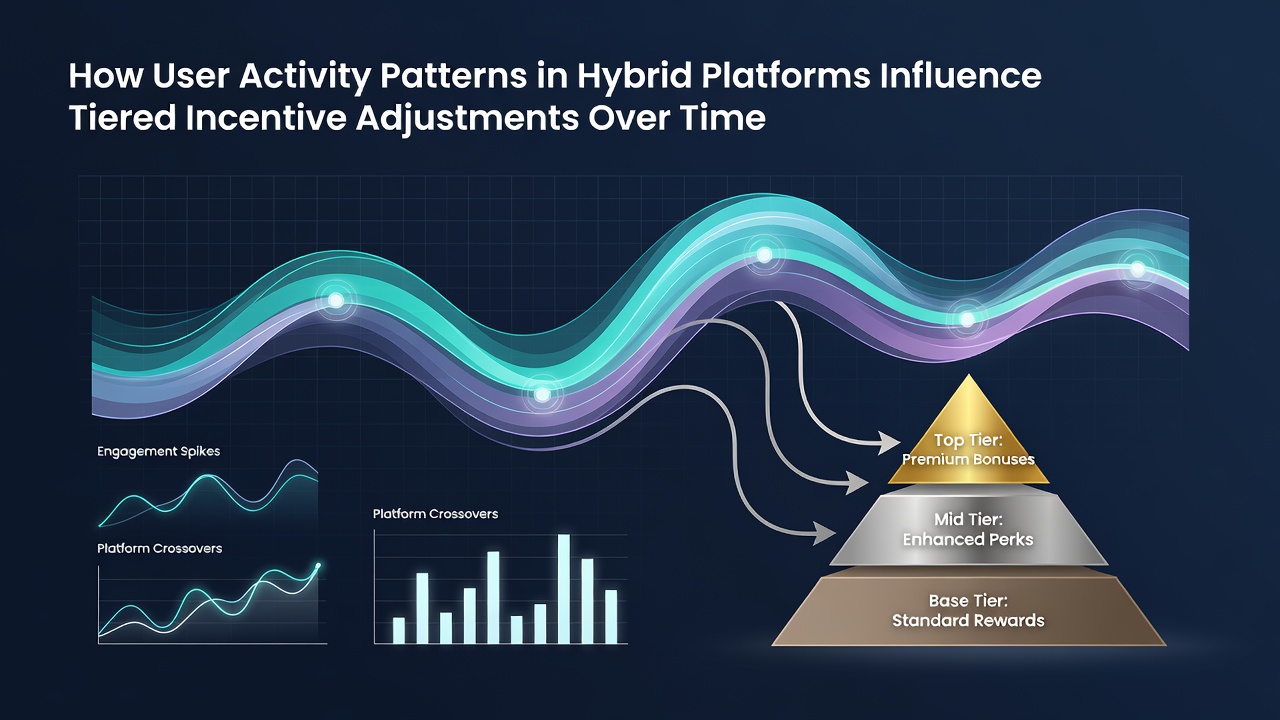
How User Activity Patterns in Hybrid Platforms Influence Tiered Incentive Adjustments Over Time
Hybrid platforms that combine sports betting with digital table games collect detailed user activity data through login timestamps, bet volumes, session durations, and game-type preferences, and these patterns drive adjustments to tiered incentive structures at regular intervals throughout the year. Observers note that platforms track metrics such as weekly active sessions and cross-category participation rates, then recalibrate reward multipliers and bonus thresholds to align with observed behaviors rather than static user profiles.
Tracking Activity Patterns Across Hybrid Environments
Researchers have documented how users who alternate between sports wagers and table game rounds generate distinct data signatures that differ from single-category participants, and platforms respond by shifting incentive tiers based on cumulative engagement scores calculated monthly. Data from multiple operators indicates that users maintaining consistent login streaks of five or more days per week receive faster tier progression, while sporadic participants experience slower advancement even when total wager amounts remain comparable.
Activity logs also reveal seasonal spikes, with increased table game participation during certain periods correlating to temporary incentive boosts that platforms later normalize once patterns stabilize. Those who study these systems find that hybrid users who engage with both verticals within the same session often trigger earlier tier reviews, because the combined activity signals higher retention potential than isolated sports or table game usage alone.
Mechanics Behind Tier Adjustments
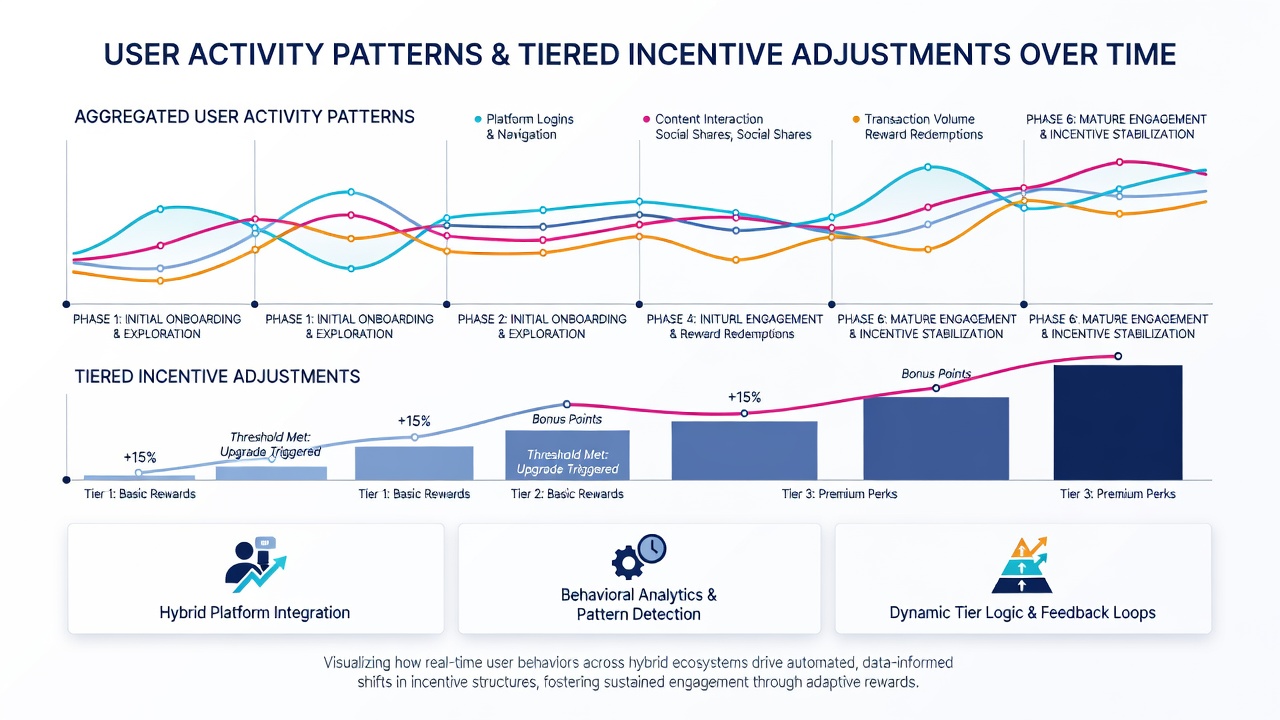
Platforms apply algorithms that weight recent activity more heavily than historical totals, which means a surge in mobile table game play during one quarter can accelerate tier elevation even if overall yearly volume stays flat. Figures from industry reports show that tier resets occur at fixed calendar points, yet interim adjustments based on real-time pattern analysis allow operators to move users between levels outside those windows when activity thresholds are crossed.
One study revealed that users whose activity includes both high-frequency low-stake bets and occasional larger wagers receive balanced incentive packages, whereas those concentrated in a single pattern type encounter more selective reward structures after several review cycles. The process relies on aggregated anonymized datasets rather than individual accounts in many cases, which allows regulatory bodies to monitor fairness while platforms refine their models.
Influence of Cross-Platform Behaviors on Long-Term Adjustments
Hybrid users who migrate activity between desktop and mobile interfaces over time create additional variables that platforms incorporate into tier calculations, and data collected through September 2026 demonstrates measurable differences in incentive redemption rates tied to device-switching frequency. Platforms adjust loyalty point accrual rates accordingly, increasing multipliers for users whose patterns show sustained multi-device engagement while holding steady for those who remain on one interface.
External analyses from the Malta Gaming Authority highlight how activity clustering around specific game categories prompts operators to introduce targeted incentives that evolve as user preferences shift across quarters. These adjustments occur without public announcements in most instances, yet they influence redemption patterns that appear in subsequent compliance filings.
Observers note that platforms sometimes introduce new tier sub-levels when activity data clusters reveal gaps between existing reward brackets, and such refinements have appeared more frequently as hybrid participation grows. A report prepared by the American Gaming Association outlines similar trends in North American markets where tier adjustments now incorporate predictive modeling based on early-month activity trends rather than waiting for full-quarter results.
Longitudinal Effects and Platform Responses
Over multiple years, sustained activity patterns lead to more granular tier segmentation because platforms accumulate enough historical data to differentiate between stable high-engagement users and those whose involvement fluctuates with external factors. Adjustments therefore become less reactive and more anticipatory, with some operators testing dynamic tier previews that show users projected movement based on current trajectories.
Evidence suggests that incentive structures tied to activity continuity rather than volume alone produce steadier retention curves across hybrid user bases, and platforms continue to refine weighting formulas as new datasets become available each quarter. Those who analyze these systems find that early adjustments in one region often influence rollout strategies elsewhere once performance metrics are compared internally.
Conclusion
User activity patterns in hybrid platforms continue to shape tiered incentive adjustments through ongoing data collection and algorithmic recalibration that responds to login consistency, cross-category participation, and device usage trends. Platforms maintain these systems by reviewing aggregated metrics at scheduled intervals while allowing interim modifications when clear thresholds are met. The resulting structures reflect accumulated behavioral evidence rather than fixed assumptions, and operators update their models as new patterns emerge in the data streams they monitor.