Decoding Payment Flow Impacts on Reward Tier Progressions for Mobile Roulette and Blackjack Participants
Written by Olivia Krüger · Sep 26, 2026
Decoding Payment Flow Impacts on Reward Tier Progressions for Mobile Roulette and Blackjack Participants
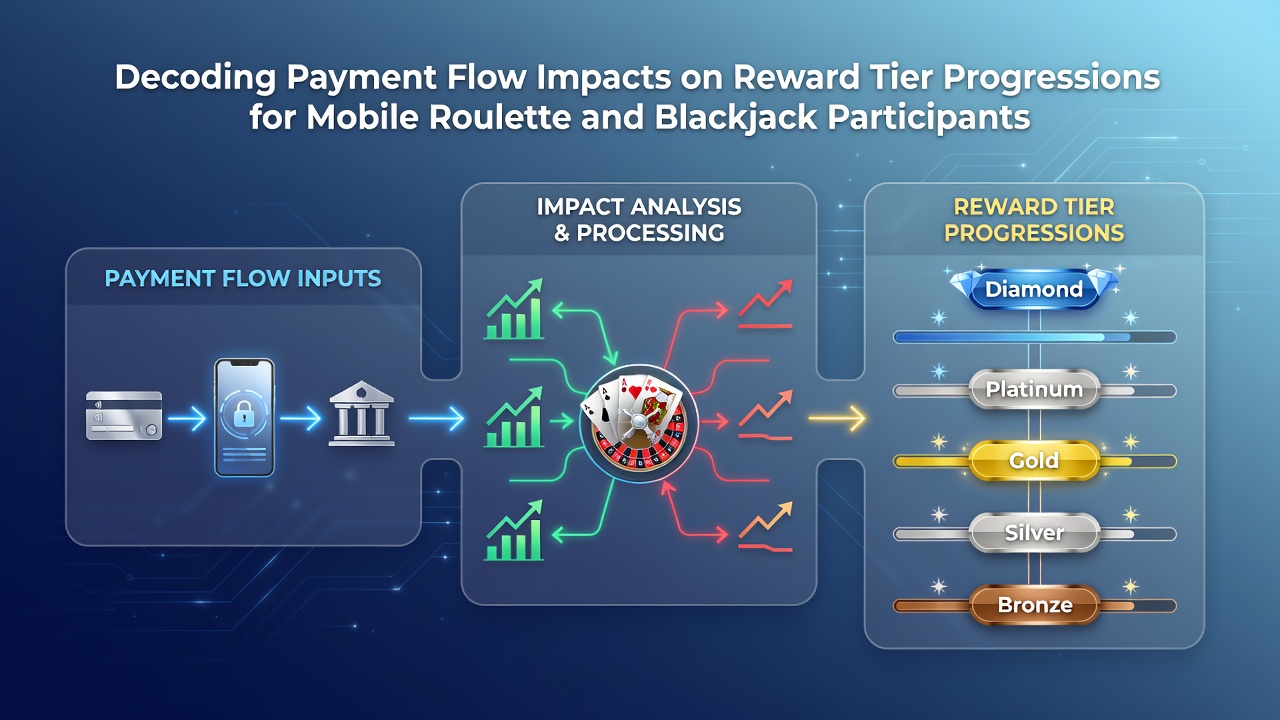
Payment flows in mobile roulette and blackjack environments determine how quickly participants accumulate points toward higher reward tiers, since processing times, verification steps, and transaction types directly influence point crediting schedules. Data from multiple gaming operators shows that instant payment methods like certain e-wallets credit wagers to player accounts within seconds, allowing immediate inclusion in tier calculations, whereas bank transfers or card deposits often require hours or days before points register. Observers note that this timing gap creates measurable differences in progression rates for users who play high-volume sessions on roulette wheels or blackjack tables.
Payment Method Categories and Their Processing Characteristics
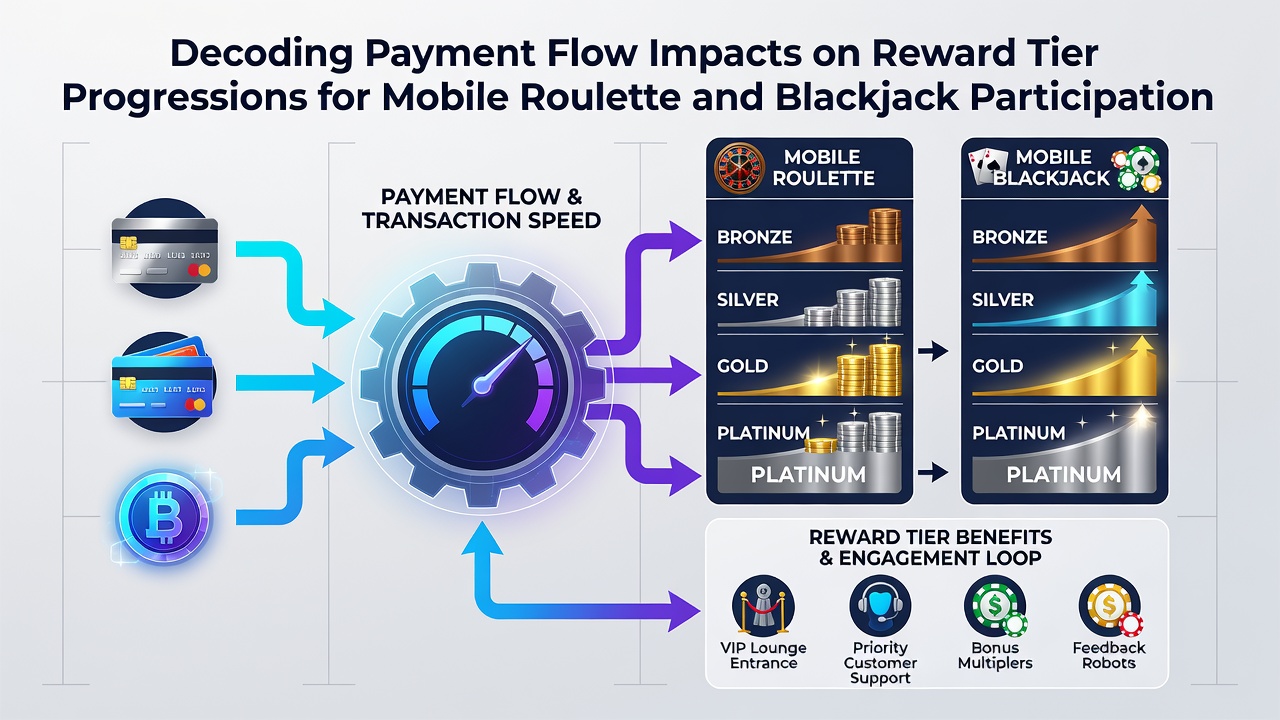
Traditional credit and debit card transactions typically route through multiple intermediaries, which extends settlement periods and delays the moment when bet amounts count toward monthly or quarterly tier thresholds. In contrast, digital wallet services often bypass several layers, resulting in faster point allocation according to operator logs reviewed by industry analysts. Cryptocurrency options add another layer because blockchain confirmations can complete in minutes, yet volatility checks sometimes impose additional holds before rewards systems update. Research indicates that participants who switch between these categories experience inconsistent advancement speeds even when their total wager volumes remain identical.
Mobile platforms serving roulette and blackjack have introduced hybrid payment rails that combine instant funding with delayed settlement for larger amounts, and these structures affect how bonus multipliers apply during tier resets. Figures from platform audits reveal that users relying on instant rails maintain steadier upward trajectories in loyalty programs compared with those using slower channels, particularly when games involve frequent small bets typical of blackjack strategy play.
How Transaction Timing Interacts with Tier Algorithms
Tier progression formulas usually aggregate wager amounts over fixed windows, and any lag in payment confirmation shifts the effective start of that window for individual accounts. One study of mobile table game data found that delayed credits caused some participants to miss quarterly thresholds by margins equal to the processing interval, even though their actual betting activity met the required volume. Roulette players who place larger single bets encounter this effect less often because each wager represents a bigger percentage of the tier target, while blackjack participants making repeated smaller wagers feel the delay more acutely.
Operators have begun publishing detailed payment flow timelines that list expected crediting times for each method, and these documents help users align deposit schedules with their intended play periods. When a deposit clears after a tier calculation cycle closes, the associated points apply to the next period instead, which alters projected upgrade dates according to internal tracking systems.
Regional Regulatory Influences on Payment and Reward Integration
Regulatory frameworks in different jurisdictions shape how payment processors interact with loyalty engines. The Alcohol and Gaming Commission of Ontario requires clear separation between deposit verification and reward calculations to prevent premature point awards, and operators licensed there have adjusted their systems accordingly since early 2025. Similar requirements appear in Australian state regulations, where transaction records must remain auditable for extended periods, extending the window during which points stay provisional. These rules create consistent patterns across platforms that serve both roulette and blackjack, because the same payment infrastructure supports multiple game types.
Industry reports compiled by the European Gaming and Betting Association highlight that platforms operating under multi-jurisdictional licenses maintain separate ledgers for each regulatory zone, and this segmentation sometimes produces divergent tier speeds for the same user depending on the account jurisdiction selected during registration. Data shows these differences become most noticeable during high-activity months when players cross regional play thresholds.
Developments Observed Through September 2026
Platform updates rolled out in September 2026 introduced real-time payment status APIs that feed directly into tier engines, reducing average crediting delays from hours to under sixty seconds for supported methods. Mobile roulette and blackjack sessions logged after these updates display tighter correlation between actual wager timing and point accrual, narrowing the previous gap between instant and standard payment users. Operators report that adoption of these APIs has increased among smaller platforms, while larger networks completed integration earlier in the year.
Additional changes include mandatory disclosure of payment flow impacts within loyalty program terms, ensuring participants receive advance notice when a chosen method will affect progression speed. Tracking data from that period indicates fewer complaints related to missed tier upgrades once the disclosures took effect.
Conclusion
Payment flow mechanics continue to shape reward tier outcomes for mobile roulette and blackjack participants through differences in processing speed, regulatory requirements, and system integration levels. Operators that publish clear timelines and adopt faster verification tools demonstrate measurable improvements in progression consistency across payment categories. Continued monitoring of these interactions provides clearer insight into how transaction choices translate into long-term reward accumulation patterns.